
Hye-Jin Kim
Policy Associate
Blocking the Sun documents 20 fossil fuel-backed groups and electric utilities running some of the nation’s most aggressive campaigns to slow the growth of solar energy in 12 states. A national network of utility interest groups and fossil fuel-backed think tanks has provided the funding, model legislation and political cover to discourage the growth of rooftop solar power. Some of these include attacks on net metering policies, discriminatory rate hikes on solar customers and time-of-use changes that might not reflect supply and demand.
Poll after poll shows that solar energy is as popular as mom and apple pie. Over the last few years, with solar prices falling and with cities and states adopting solar-friendly public policies, more Americans have gotten to experience the benefits of solar energy for themselves.
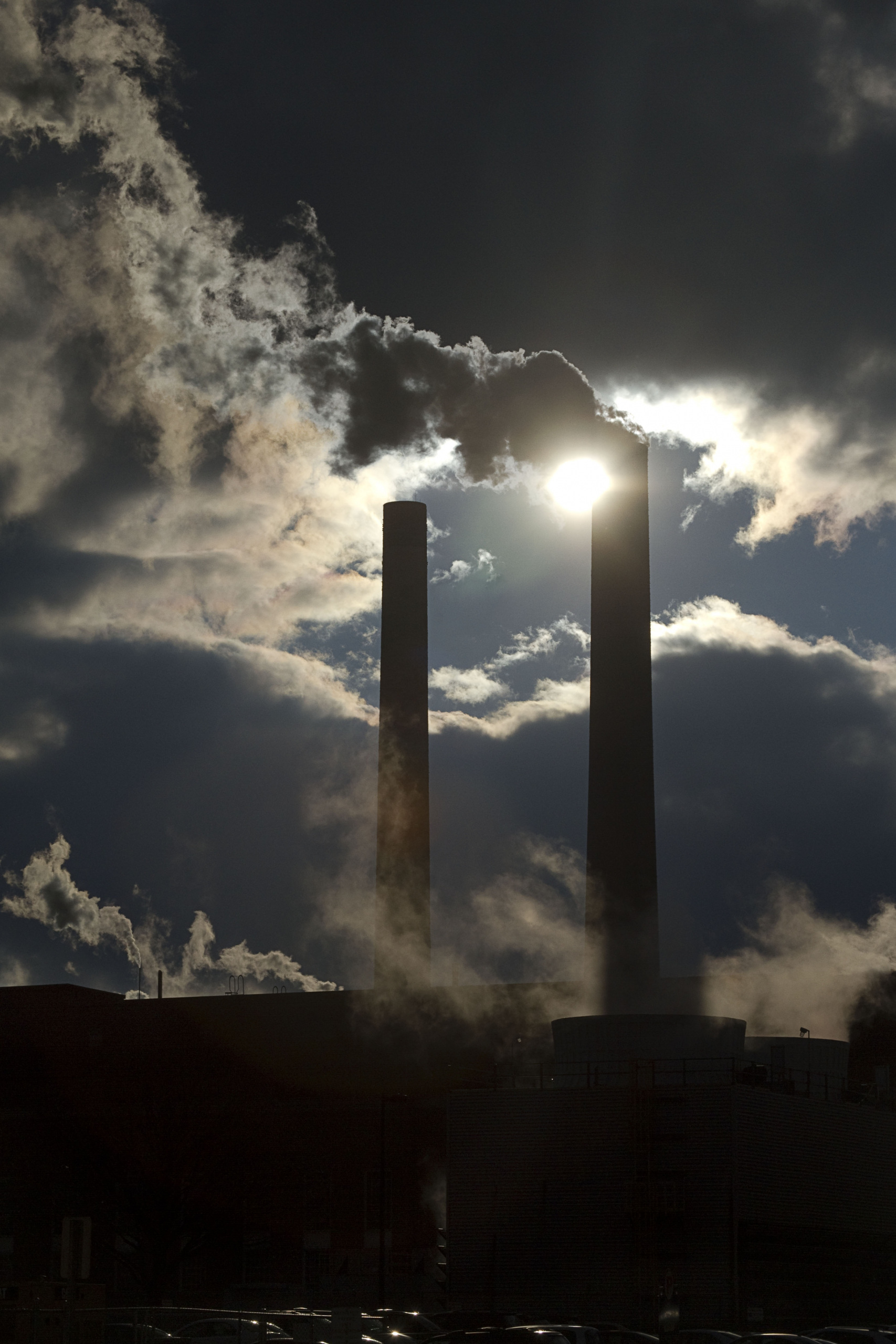
At the same time, however, fossil fuel and utility interests have been working – often behind the scenes – to slow the rise of solar energy.
Sunlight isn’t just a great source of energy, but it is also, in the words of former Supreme Court Justice Louis Brandeis, “the best of disinfectants.” Shining a light on the strategies fossil fuel and utility interests use to attack solar energy is critical if the public is to hold officials accountable for the decisions they make that will shape the future of clean energy across America.
This week, we are releasing our third edition of Blocking the Sun, which documents the common strategies used by fossil fuel-backed groups and electric utilities across the country to undermine solar power.
Rooftop solar panels are generally not owned by electric utilities and are considered by some to be a threat to their traditional way of doing business. Solar power is also an obvious threat to fossil fuel industries. Thoughtful utilities and far-sighted energy companies are working to adapt their business models to the emerging reality of cheap, widely available renewable energy. Others, however, are doing everything in their power to limit the spread of these technologies in their areas.
Blocking the Sun documents 20 fossil fuel-backed groups and electric utilities running some of the nation’s most aggressive campaigns to slow the growth of solar energy in 12 states. A national network of utility interest groups and fossil fuel-backed think tanks has provided the funding, model legislation and political cover to discourage the growth of rooftop solar power. Some of these include attacks on net metering policies, discriminatory rate hikes on solar customers and time-of-use changes that might not reflect supply and demand.
Some notable updates from 2017:
The presence of strong state policies has been consistently linked with the emergence of strong solar markets. As we reported in Lighting the Way 4, of the 10 states with the most solar capacity per person in 2016, nine had strong net metering policies; nine had strong interconnection policies; nine had policies that allow creative financing options like power purchase agreements; and all had renewable electricity standards.
The recent appointment of electric utility and fossil fuel industry favorites to federal positions makes it critical that states continue to enable and support the transition to clean, renewable energy sources such as solar power, with all of their benefits for consumers, the environment and public health.
By shining a light on the industries attacking solar energy and the tactics they use, we hope citizens and decision-makers can be better prepared to defend solar energy nationwide from these ongoing assaults.
Photo credit: Becca Humann
Policy Associate